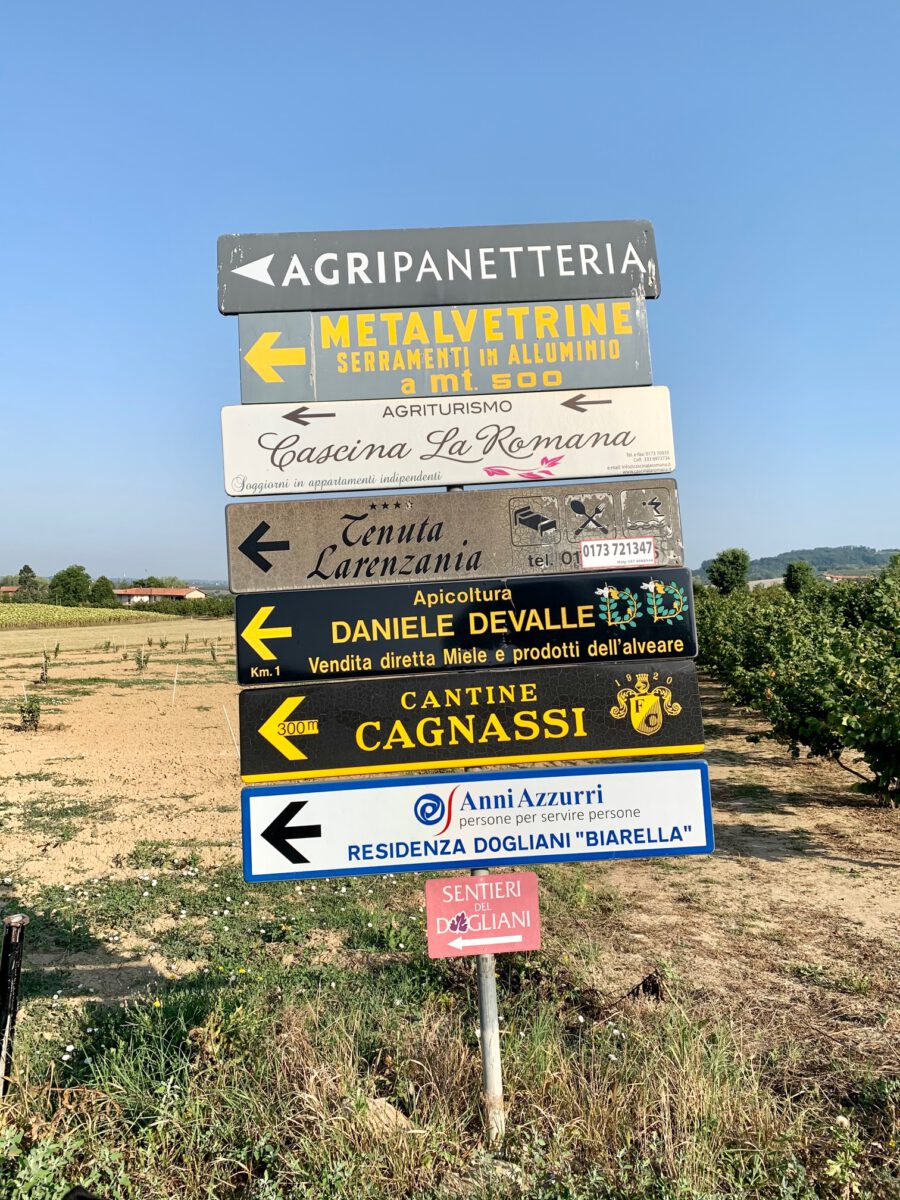
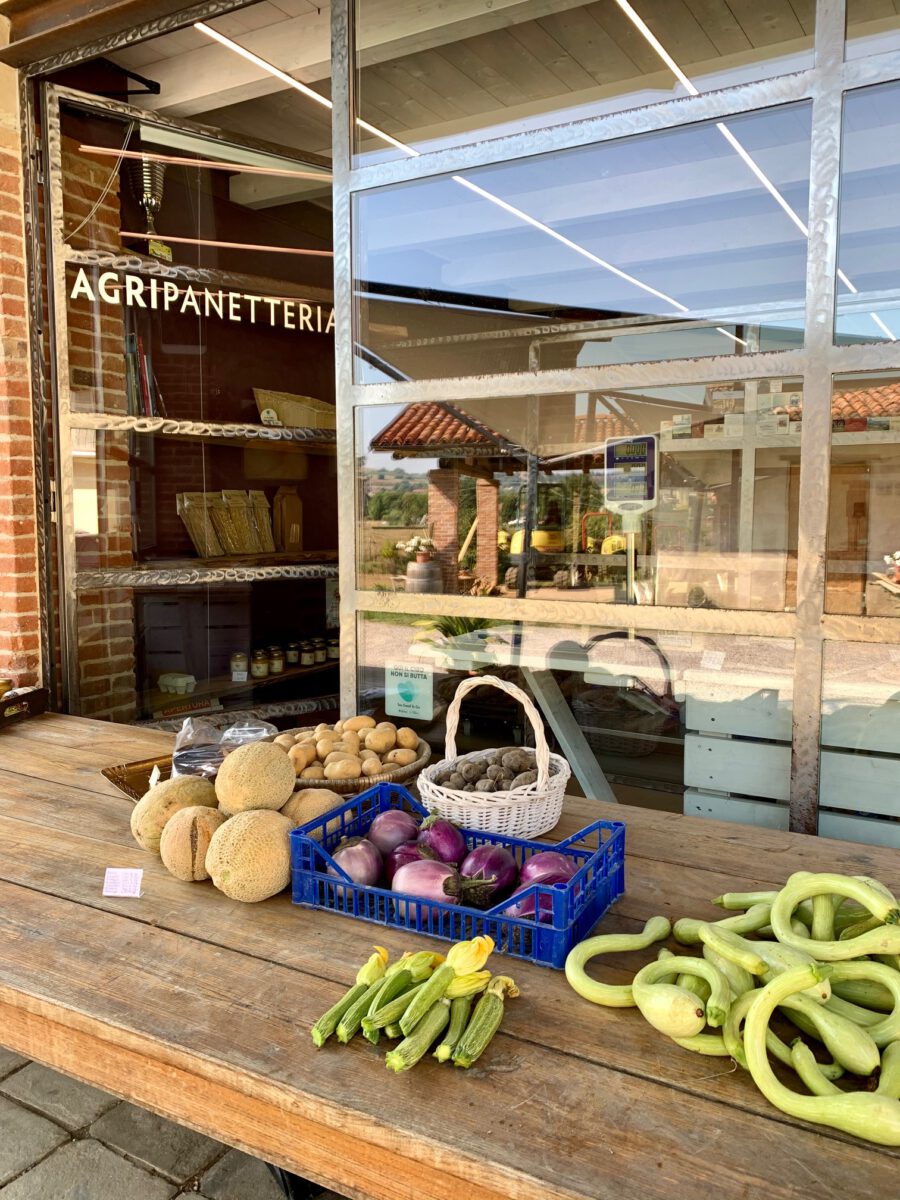
Have you ever heard of an “Agripanetteria”? Until recently, I hadn’t. But then I was able to piece together roughly what it must be: “Agricoltura” (agriculture) + “Panetteria” (bakery) = “Agripanetteria” = a bakery that uses grain it has grown itself!
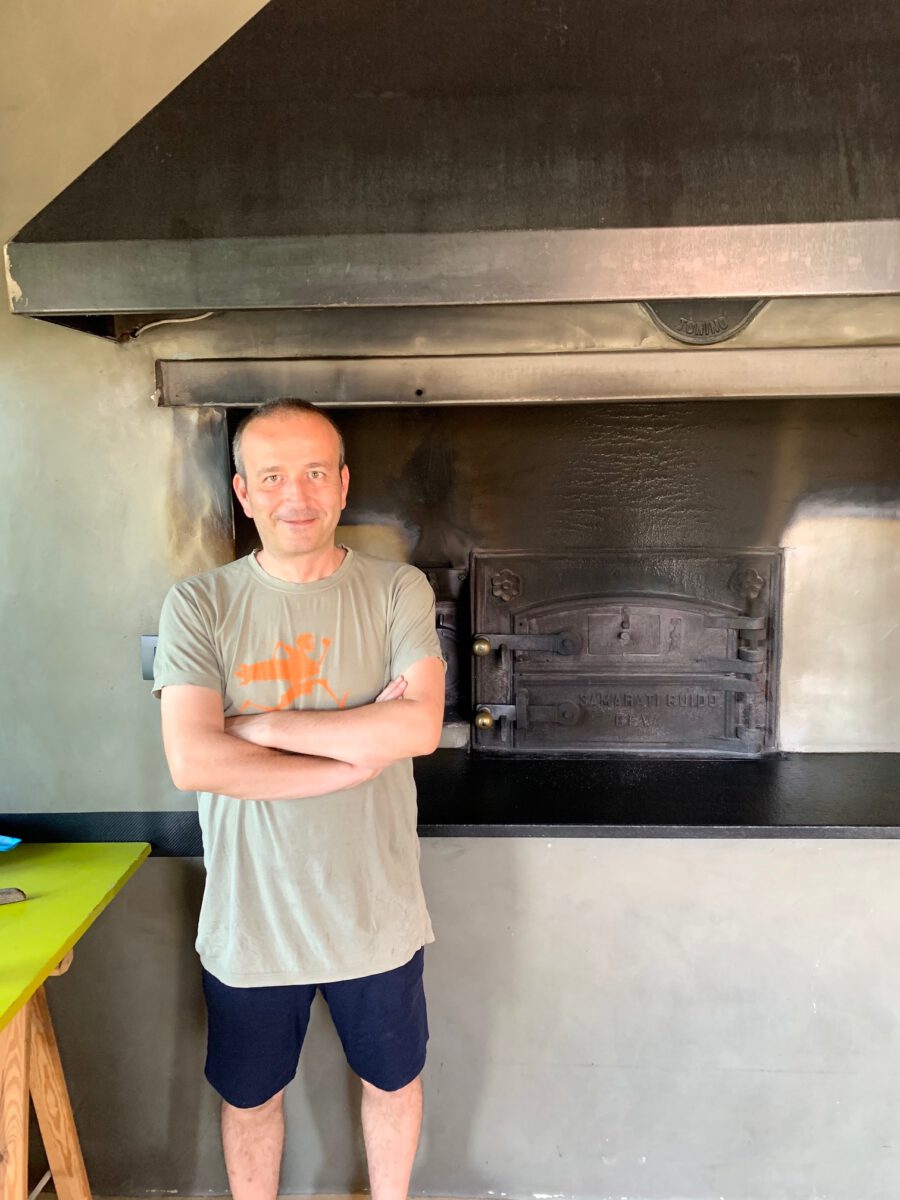
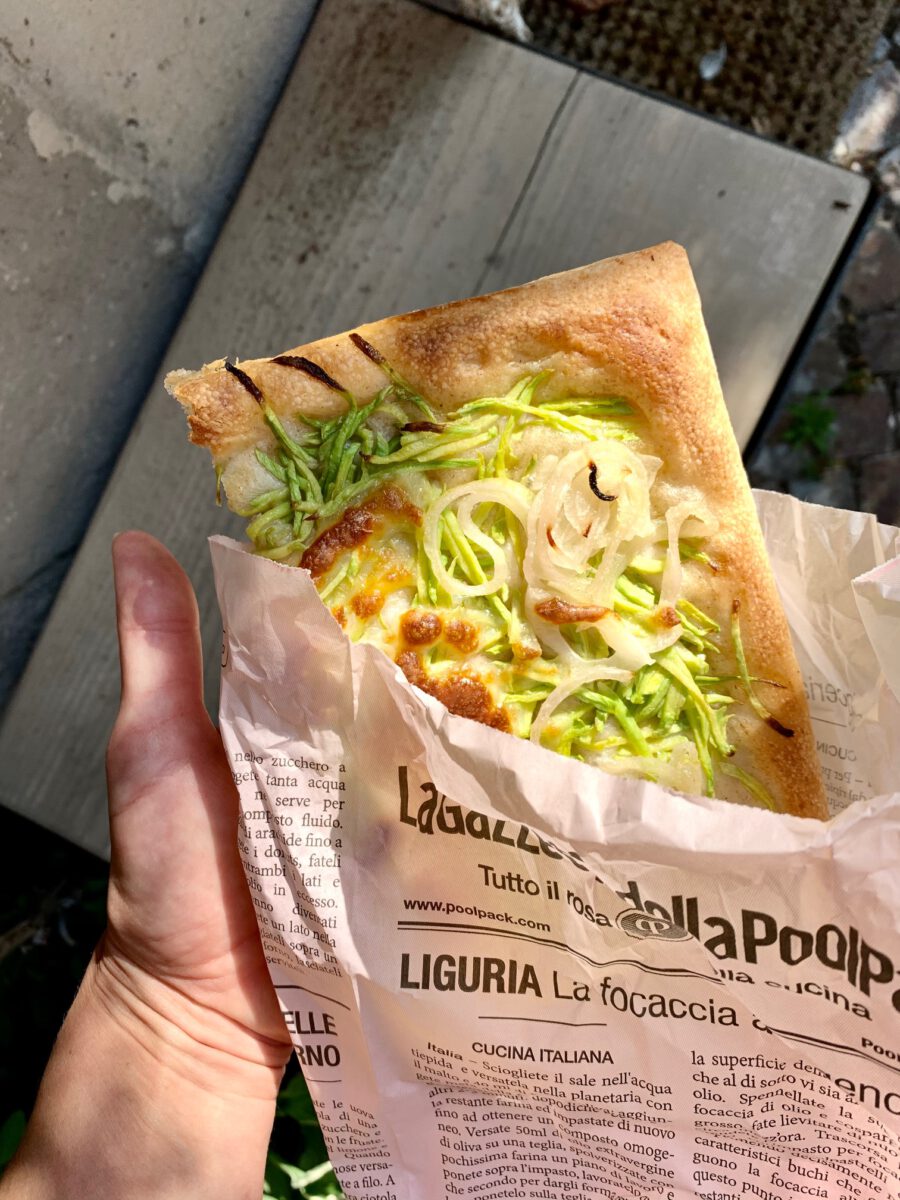
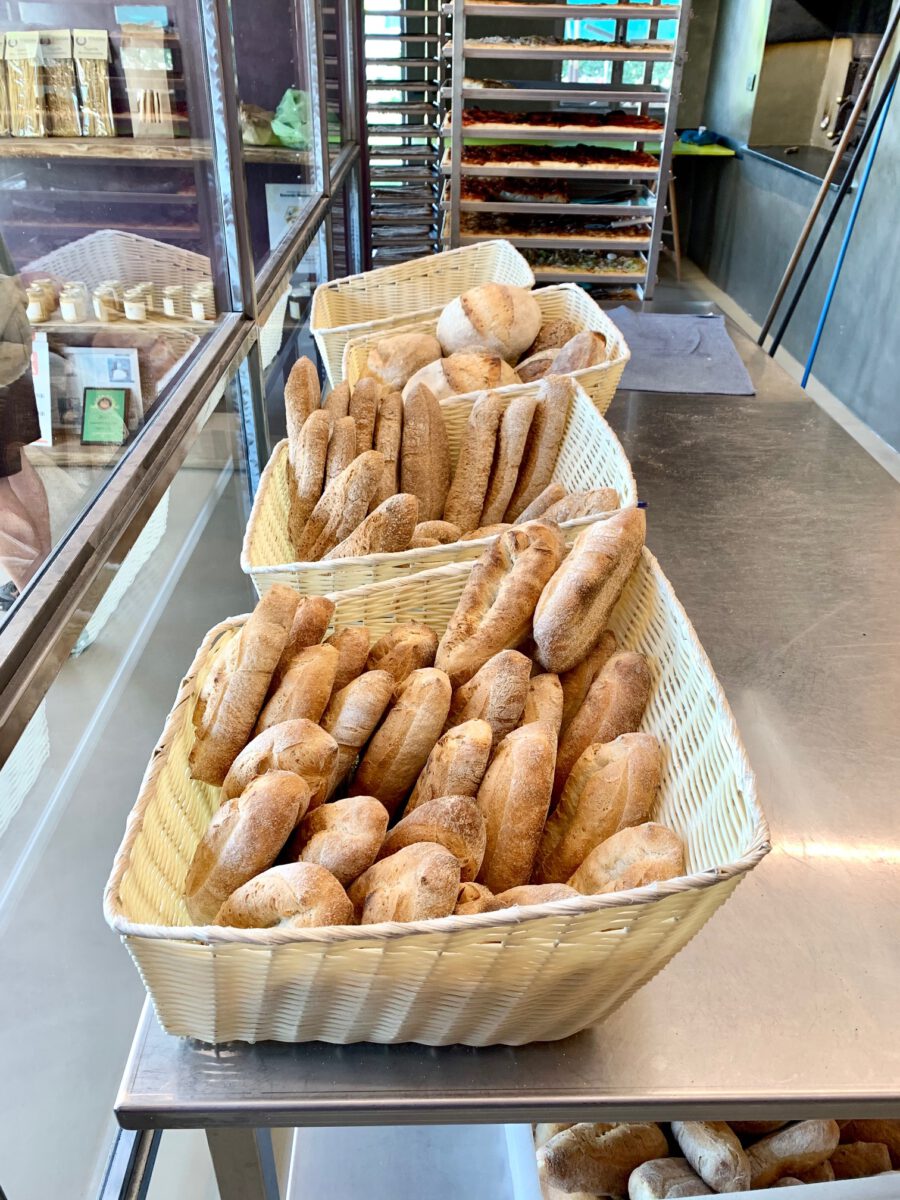
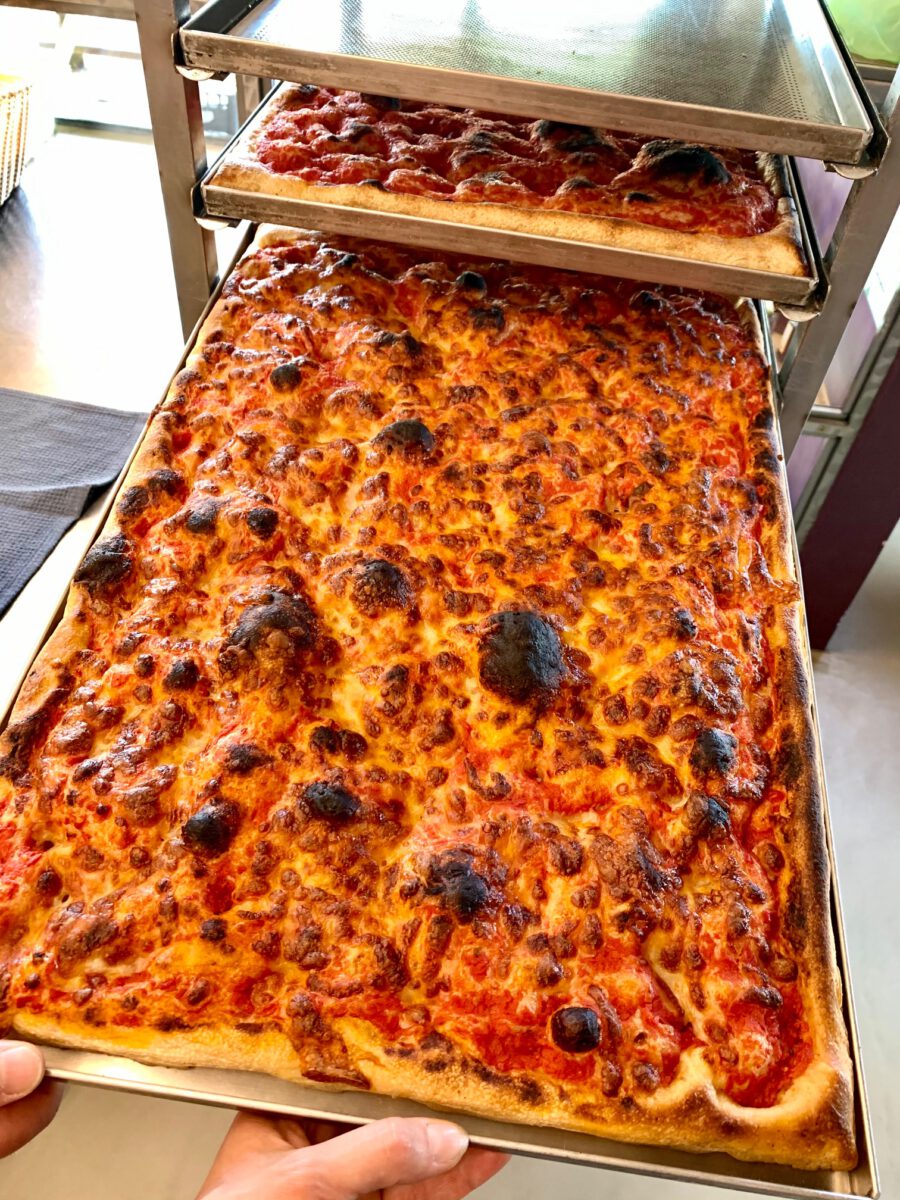
Et voilà, there’s someone in Dogliani who does just that: Stefano Musso grows old varieties of grain and uses them to bake delicious focaccia, bread, grissini, and more. This is Stefano Musso’s small, self-built “Agripanetteria” shop. This is Stefano.
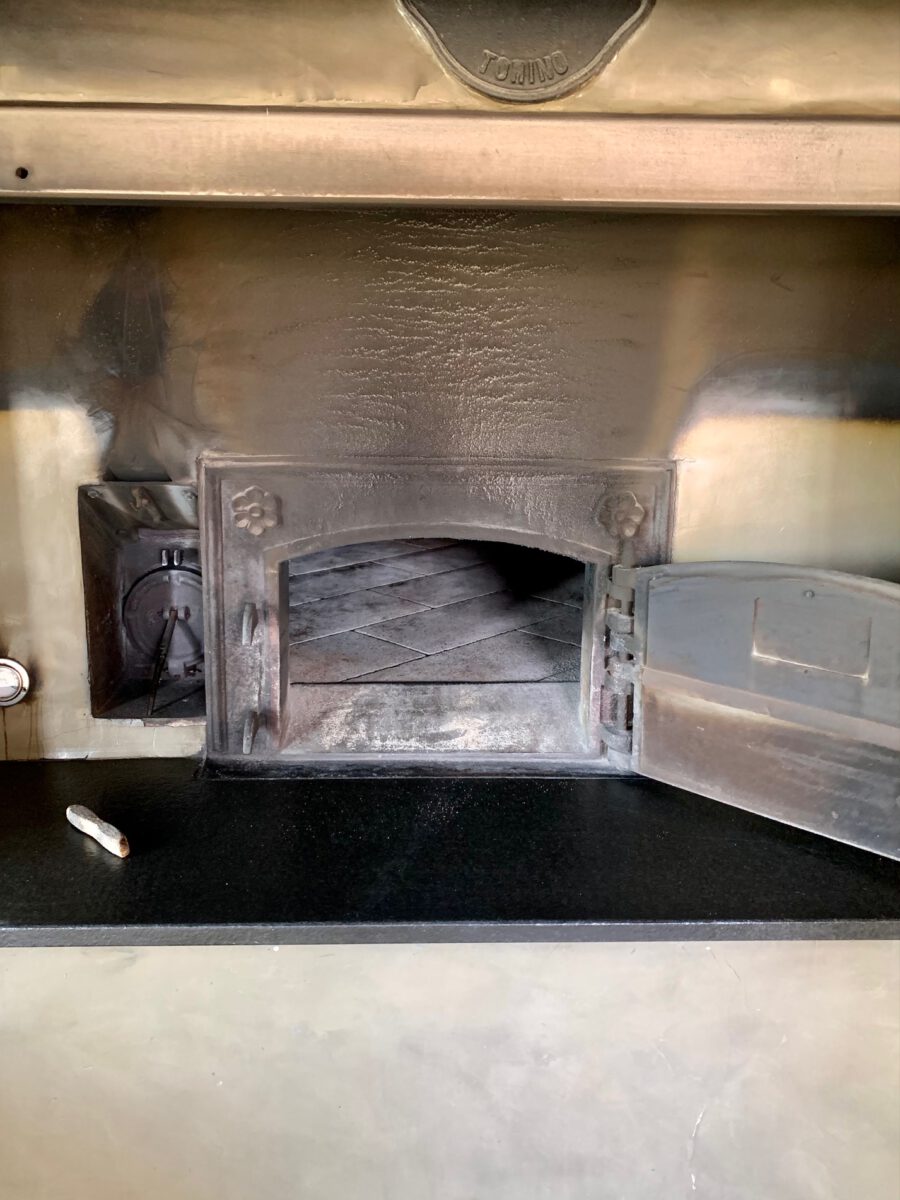
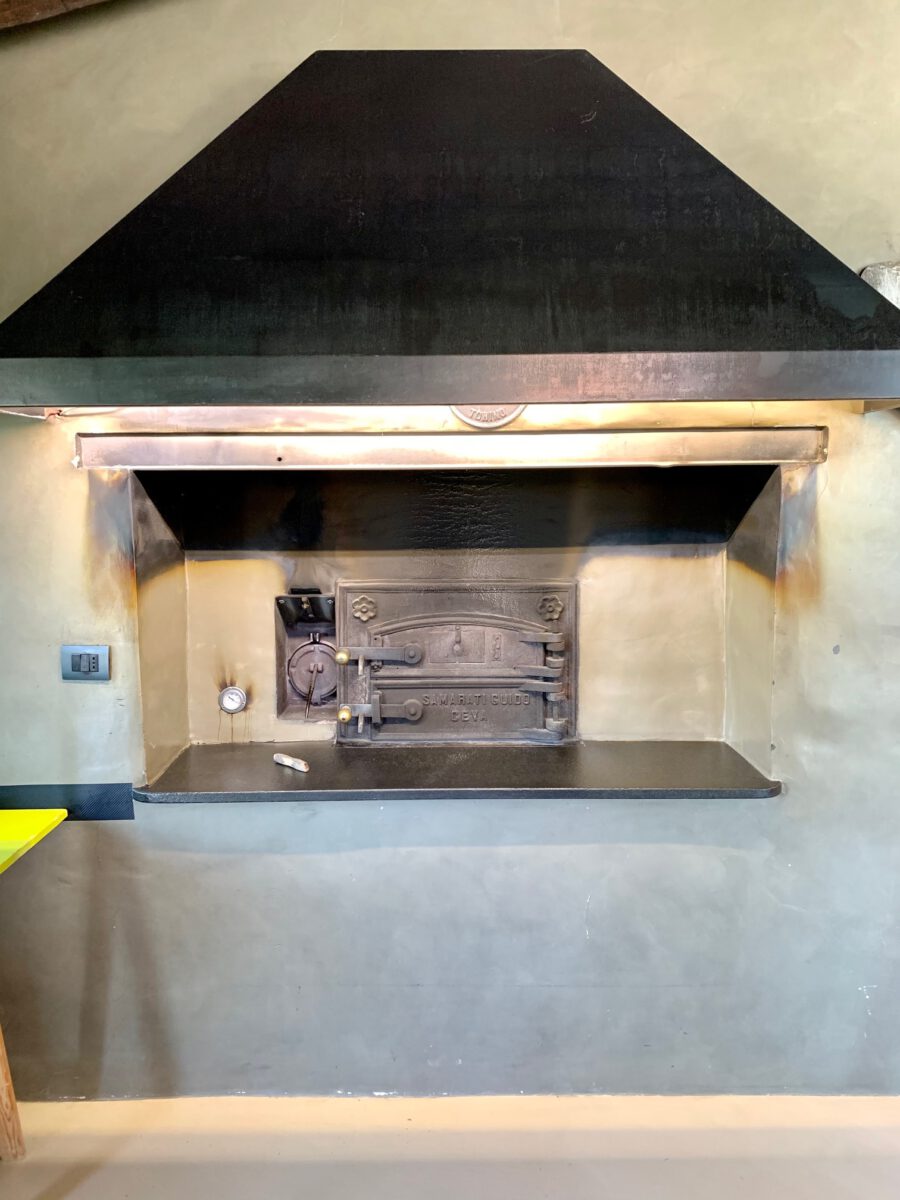
The heart of the bakery: the restored wood-fired oven
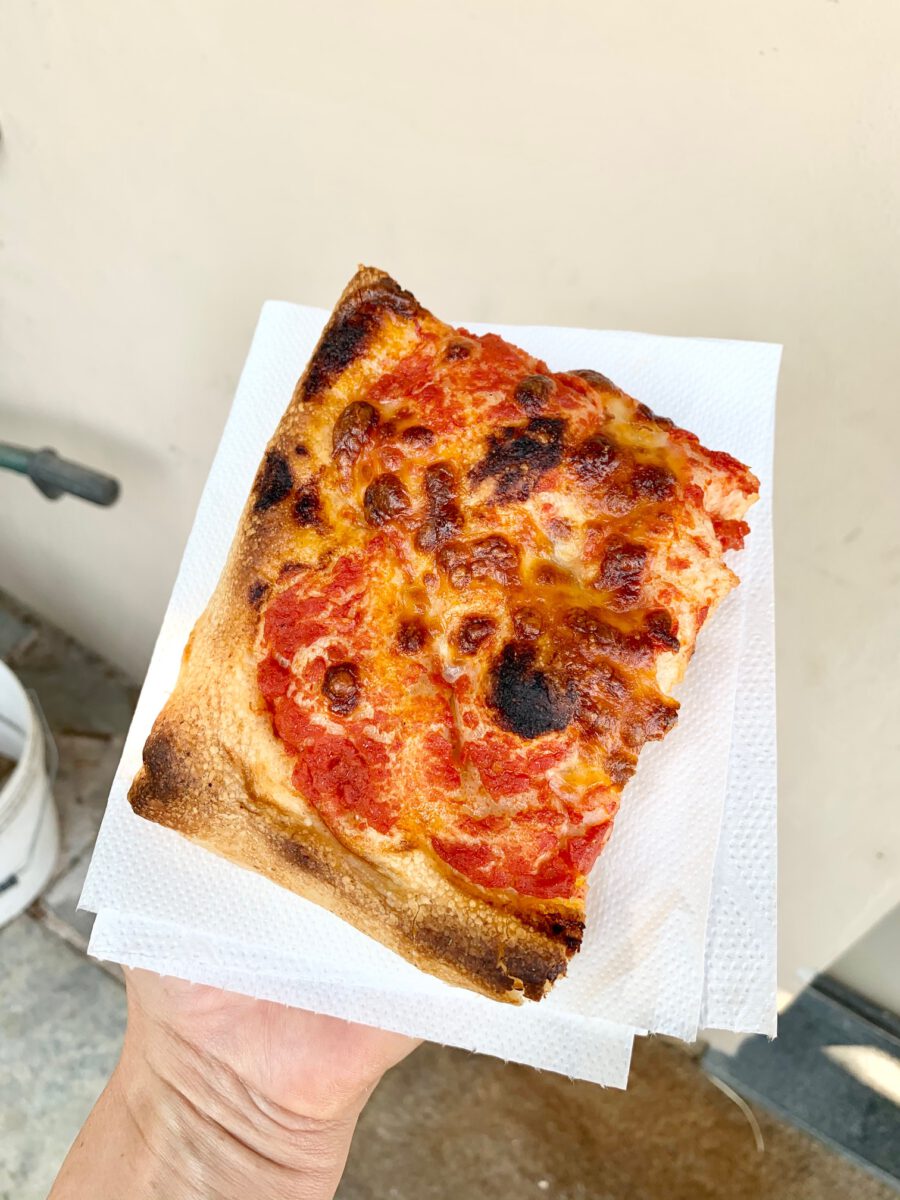
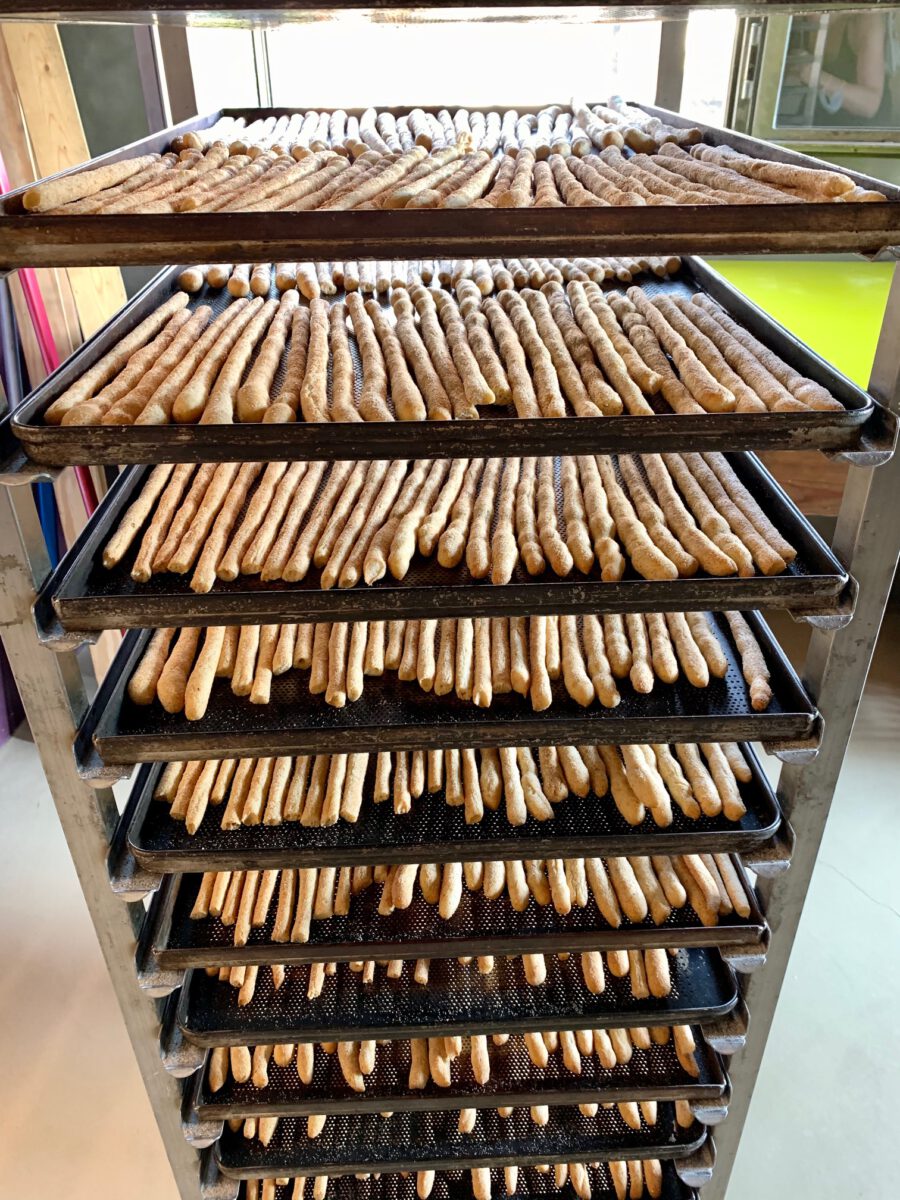
At the heart of the bakery is the beautifully restored old wood-fired oven. It had not been used for a long time. In the past, the families of Dogliani shared it and regularly baked their own bread. Stefano says learning to bake in this oven was a challenge. Unlike a modern oven, its temperature cannot be adjusted as desired. To get the wood-fired oven properly heated, Stefano has to get up very early. Once it reaches the desired temperature, the challenge is to make the best use of it for the different baked goods. The items that need a high temperature go in first. Last come those that can bake at lower temperatures, such as the grissini.
Stefano grows old varieties of grain. These have a lower gluten content, so the dough needs to be kneaded for much longer than dough made from more modern varieties. But in a regular kneading machine, prolonged kneading would heat the dough too much and affect the quality of the baked goods. That’s why Stefano uses a kneading machine usually used to make panettone. Instead of being kneaded by a rotating hook, the dough is gently worked by two metal “hands” that incorporate plenty of air. That’s the only way Stefano’s bread becomes as airy as bread made with modern grain varieties.
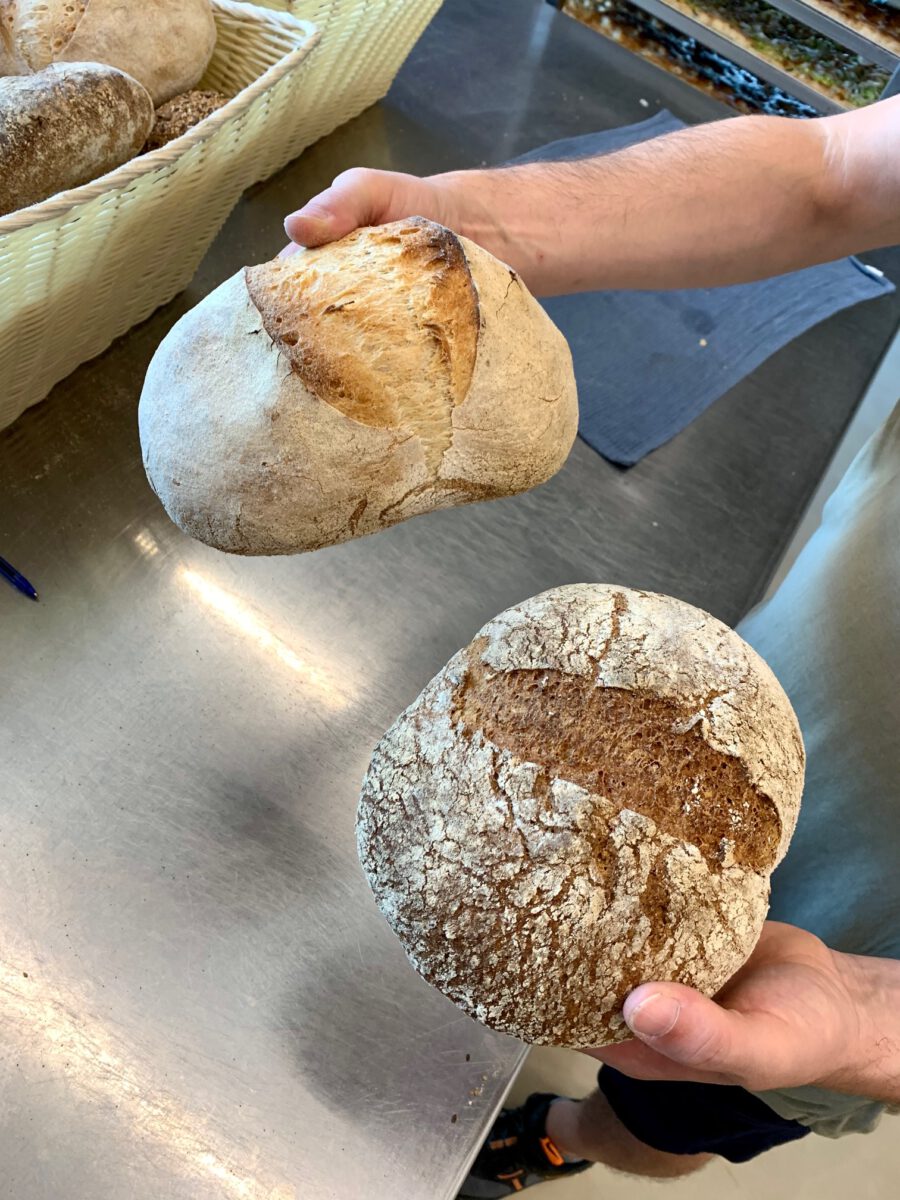
So why use old varieties at all? Because they are suitable for organic farming, have more flavour, and contain more nutrients. Combined with a long fermentation, they make high-quality, flavourful breads that stay fresh longer and are easier to digest.
Farmer, baker, or …?
I ask Stefano whether he trained as a farmer or a baker. He replies: neither—in fact, he’s a bricklayer. When he became a father, he began to think about whether the food he gave his children was healthy. He concluded that he couldn’t justify feeding his children conventionally produced food. So he started a vegetable garden, later planted a field of grain, and began baking bread. At first for his family, and later for the whole village!